How to Rotate Weekly Menus Without Getting Bored
Repeating the same meals each week kills motivation fast. Here is a practical system for rotating your menu so cooking stays interesting.
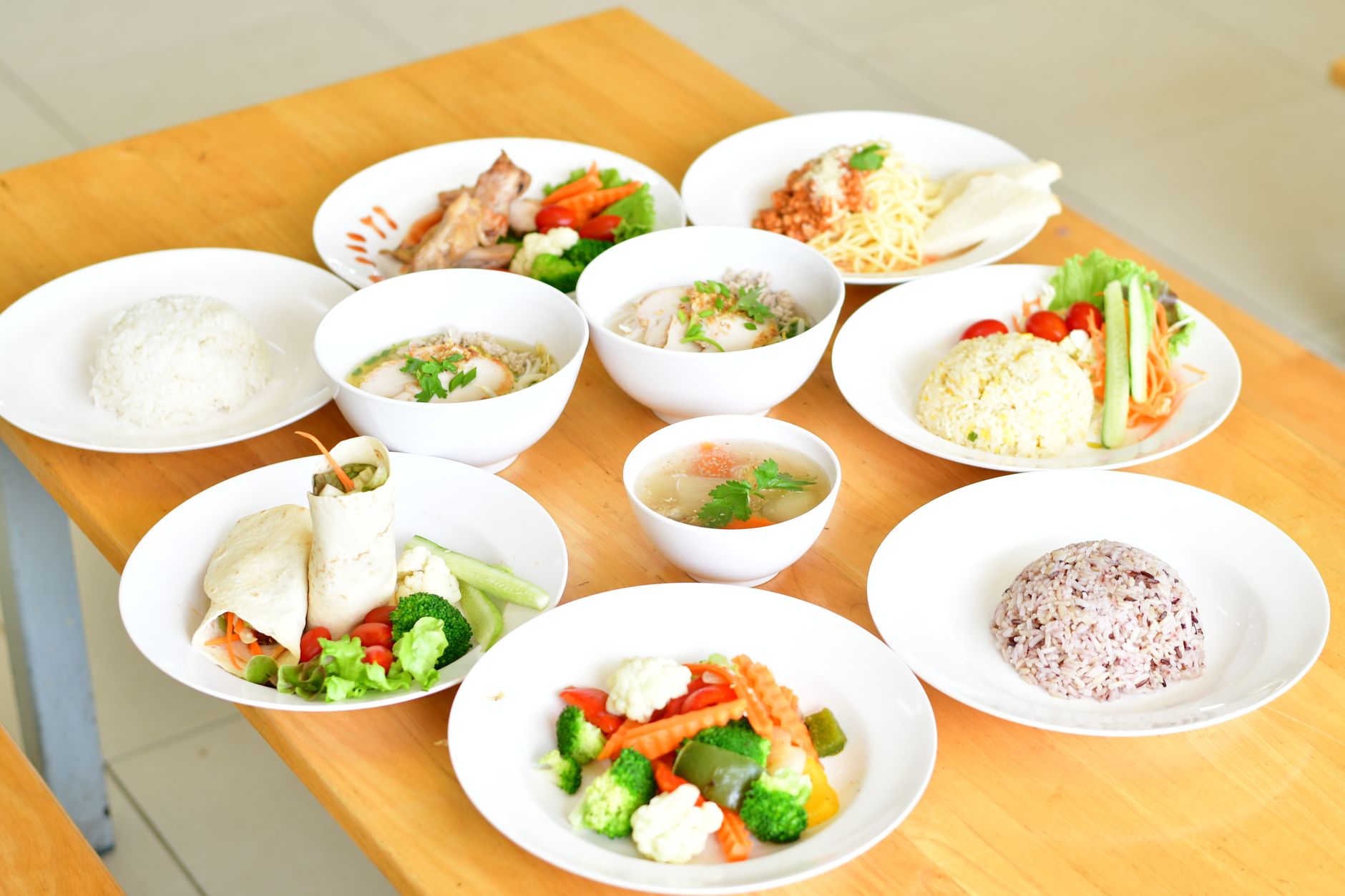
Meal planning for one or two people runs into a specific problem that larger households rarely face: repetition hits harder. When you cook a big batch of something and eat it for four days straight, or cycle through the same five dinners every single week, the whole appeal of home cooking starts to drain away. The food is fine, the cost is reasonable, but you dread opening the fridge. That feeling is worth solving, because boredom is one of the main reasons people abandon meal planning altogether and default to takeout.
The fix is not to plan something completely different every week. That approach takes too much mental energy and often leads to buying ingredients you only half-use. Instead, the goal is to build a rotation system that feels varied without requiring you to reinvent your cooking from scratch each time.
Start With a Template, Not a Fixed Menu
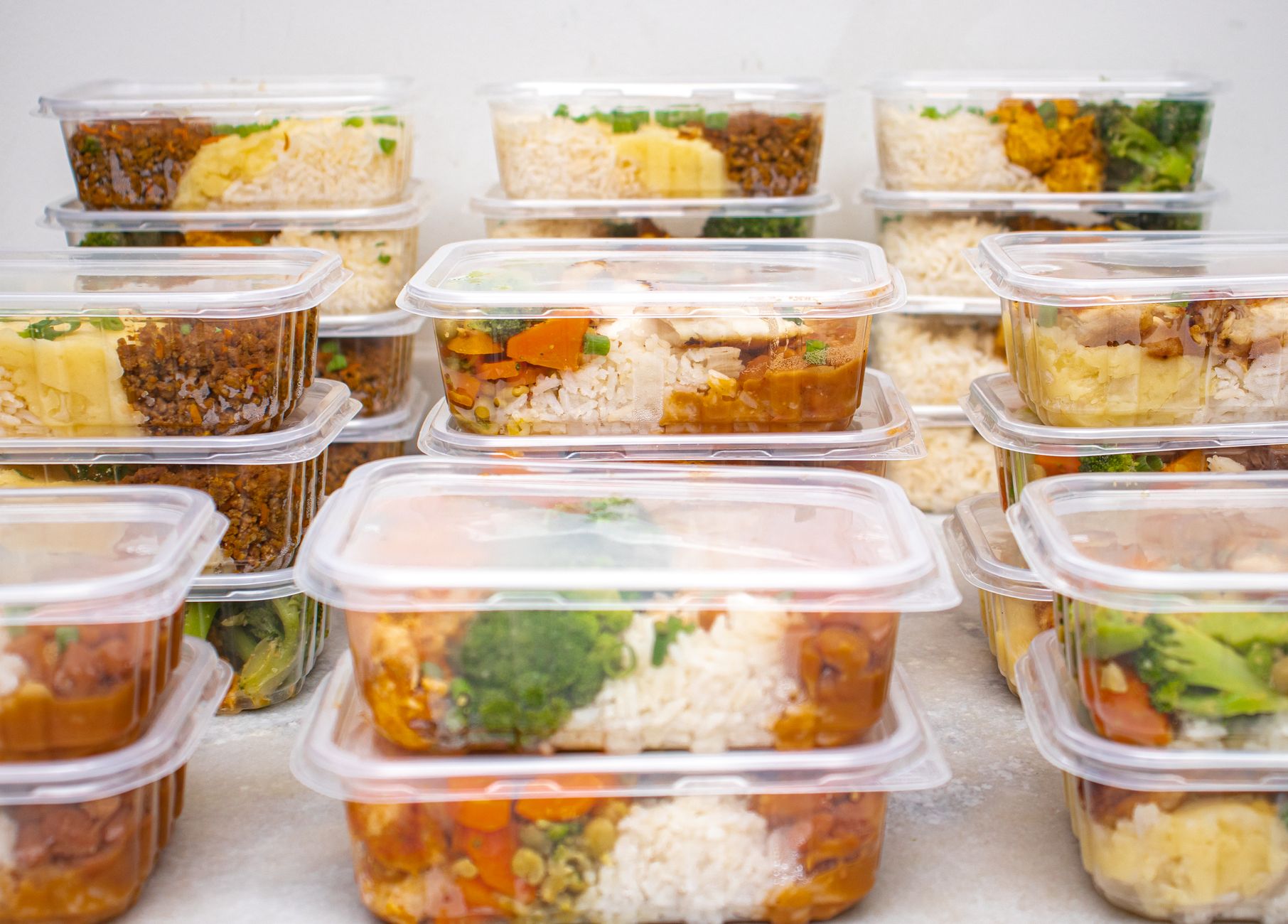
A fixed menu means the same meals on the same days, week after week. A template means the same structure each week with different content filling it. This distinction matters.
A simple template for two people cooking at home might look like this: one pasta or grain-based meal, one protein-centered meal built around whatever is on sale, one egg or legume dish, one quick stir-fry or skillet meal, and one wildcard slot for something new or a meal you have been meaning to try. You are not deciding what the meals are - you are deciding what kind of meals you will make each week. The actual recipes rotate within those slots.
This approach keeps your grocery shopping predictable (you always need a grain, a protein, eggs or beans, fresh vegetables) while your actual meals change week to week.
Build a Recipe Pool, Not a Recipe List
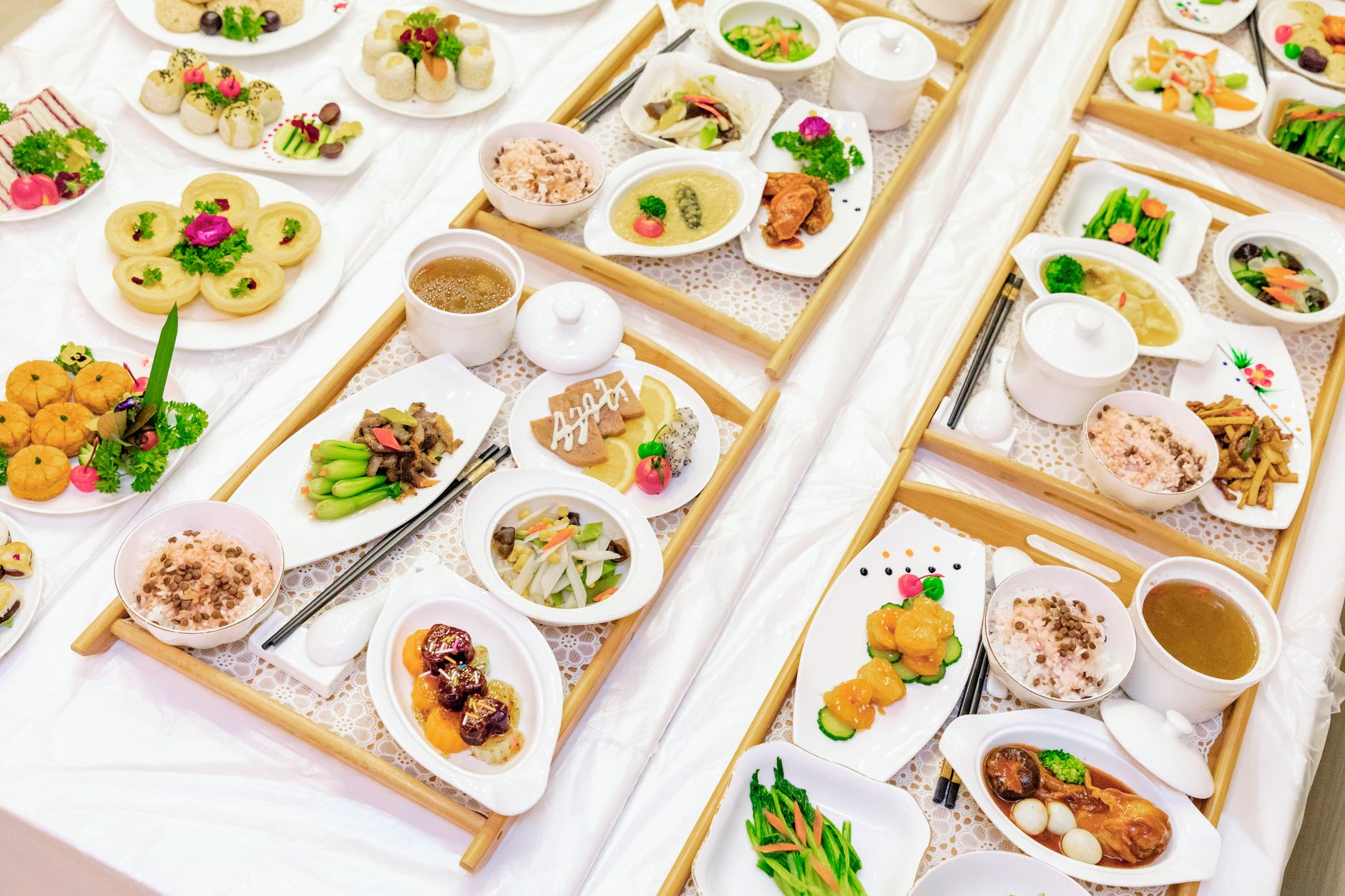
Most people approach weekly planning by writing out what they will cook and then searching for recipes in the moment. A more sustainable method is to maintain a dedicated pool of recipes you already know and enjoy, organized loosely by type. When it is time to fill a template slot, you pick from the pool rather than browsing endlessly online.
For one or two people, a pool of around 15 to 20 tested recipes is enough to sustain a full rotation across roughly four to six weeks without exact repetition. Beyond that point, you will naturally want to swap a few recipes out or update the pool with something new. The rotation refreshes itself gradually rather than all at once.
Keep the pool somewhere accessible - a notes app, a physical notebook, a folder of printed recipes. The format matters less than the habit of returning to it.
Use Themes to Add Structure Without Limiting Choice
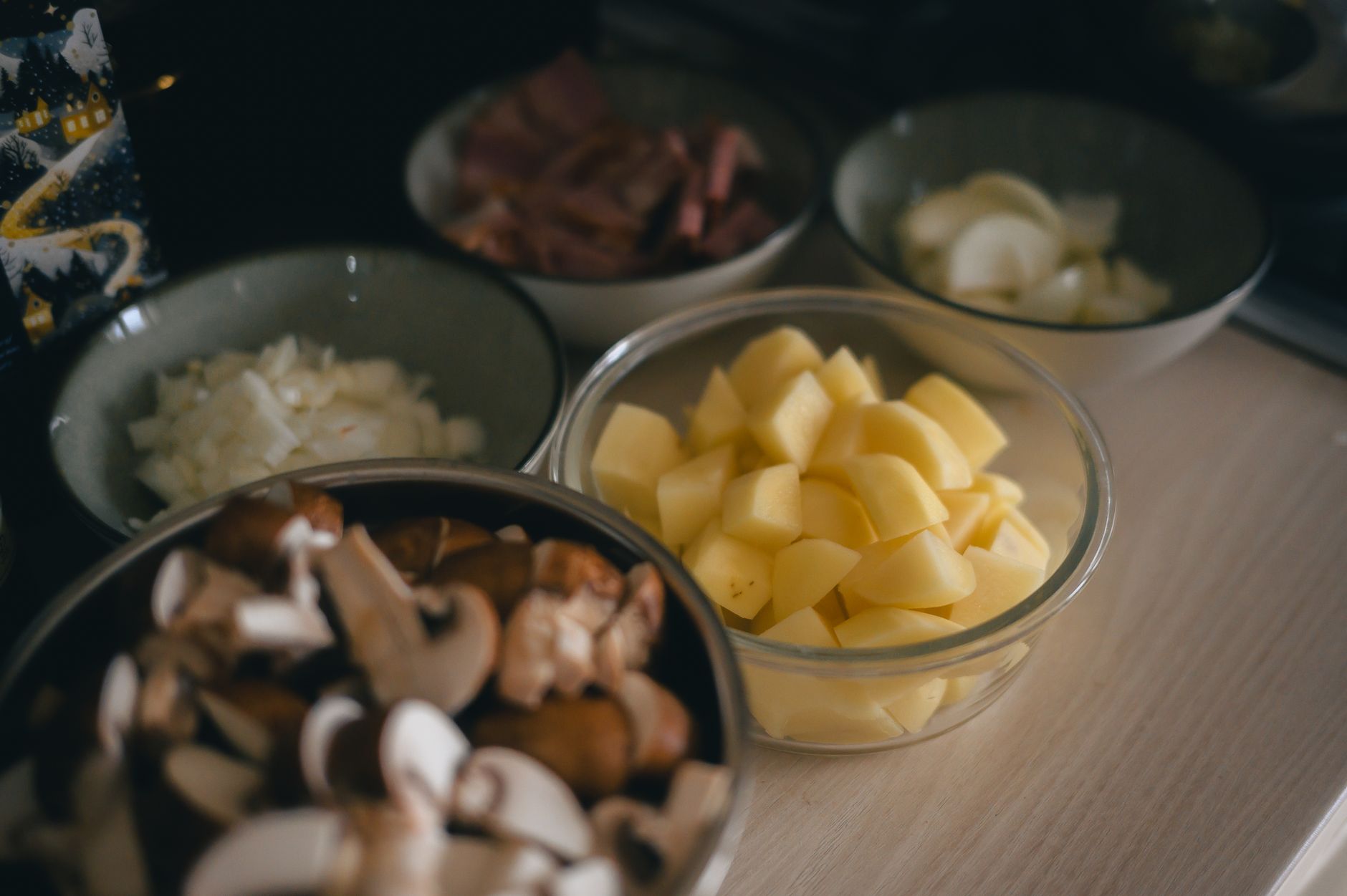
Weekly themes are a practical tool that gets dismissed as too rigid, but used loosely they work well. The idea is not “Taco Tuesday” as a strict rule but more like “something Mexican-inspired this week” or “a Japanese-leaning meal this week.” Themes give you a direction for your wildcard slot and make grocery shopping more focused because a cuisine-based theme tends to share overlapping ingredients.
For smaller households especially, this helps prevent the problem of buying a full set of ingredients for one dish you will never make again. If you are already leaning into a particular flavor profile for the week, that bunch of cilantro or that jar of miso gets used across more than one meal.
Rotate Your Proteins and Grains Deliberately
One underrated source of menu monotony is not the recipes themselves but the base ingredients. If you always buy chicken thighs and always serve them over white rice, even a different sauce starts to feel familiar in a dulling way. Rotating your proteins (chicken, eggs, canned fish, pork, legumes, tofu) and your grains or starches (rice, pasta, potatoes, farro, lentils, noodles) across the week creates variety at a foundational level, separate from the recipe itself.
A practical rule of thumb is to avoid repeating the same protein more than twice in a given week, and to use at least two different grains or starch bases. For one or two people on a budget, this does not mean buying expensive cuts - it means choosing from what is affordable and making the combinations do the work.
Treat the Wildcard Slot Seriously
Many people include a “try something new” slot in their plan and then never actually use it because decision fatigue sets in by the weekend. The wildcard slot only works if you choose the new recipe during planning, not on the day you cook it.
Pick the new recipe when you write your weekly plan. Add only the ingredients you do not already have to your shopping list. Commit to it as you would any other meal. One new recipe per week adds up to roughly 50 new dishes over the course of a year - assuming you plan consistently - which is more than enough to keep your pool fresh and your cooking genuinely interesting.
Refresh the Rotation Every Month
Rather than overhauling your entire system seasonally, a lighter monthly refresh works better for small households. At the end of each month, look at your pool and retire one or two recipes that you have grown tired of, and add one or two new ones. This keeps the system alive without demanding a big planning session.
It also helps to pay attention to what is coming into season at the grocery store or farmers market. Seasonal produce naturally introduces variety because what is available and affordable changes throughout the year. Cooking with what is fresh and cheap is one of the most reliable ways to keep meals interesting without spending more or planning more aggressively.
The Bigger Picture
Rotating menus is not about novelty for its own sake. It is about making home cooking sustainable over weeks and months, not just for a motivated stretch in January. For one or two people especially, where meal fatigue sets in faster and leftovers last longer, a flexible rotation system is the difference between a habit that sticks and one that quietly fades out. A template, a recipe pool, deliberate ingredient variation, and a committed wildcard slot give you the structure to keep cooking at home without feeling like you are eating in a loop.